The Complete Guide to Commercial Kitchen Hood Systems
When it comes to running a safe and efficient commercial kitchen, few systems are as critical as your kitchen exhaust hood. Yet many restaurant owners and facility managers underestimate the importance of proper hood maintenance until a crisis strikes, whether that’s a grease fire, failed health inspection, or unexpected equipment breakdown. Understanding how commercial kitchen hood systems work, why regular cleaning is essential, and how technology has transformed these vital systems can help you protect your business, your employees, and your bottom line.
What Are the Basic Components of a Commercial Kitchen Hood System?
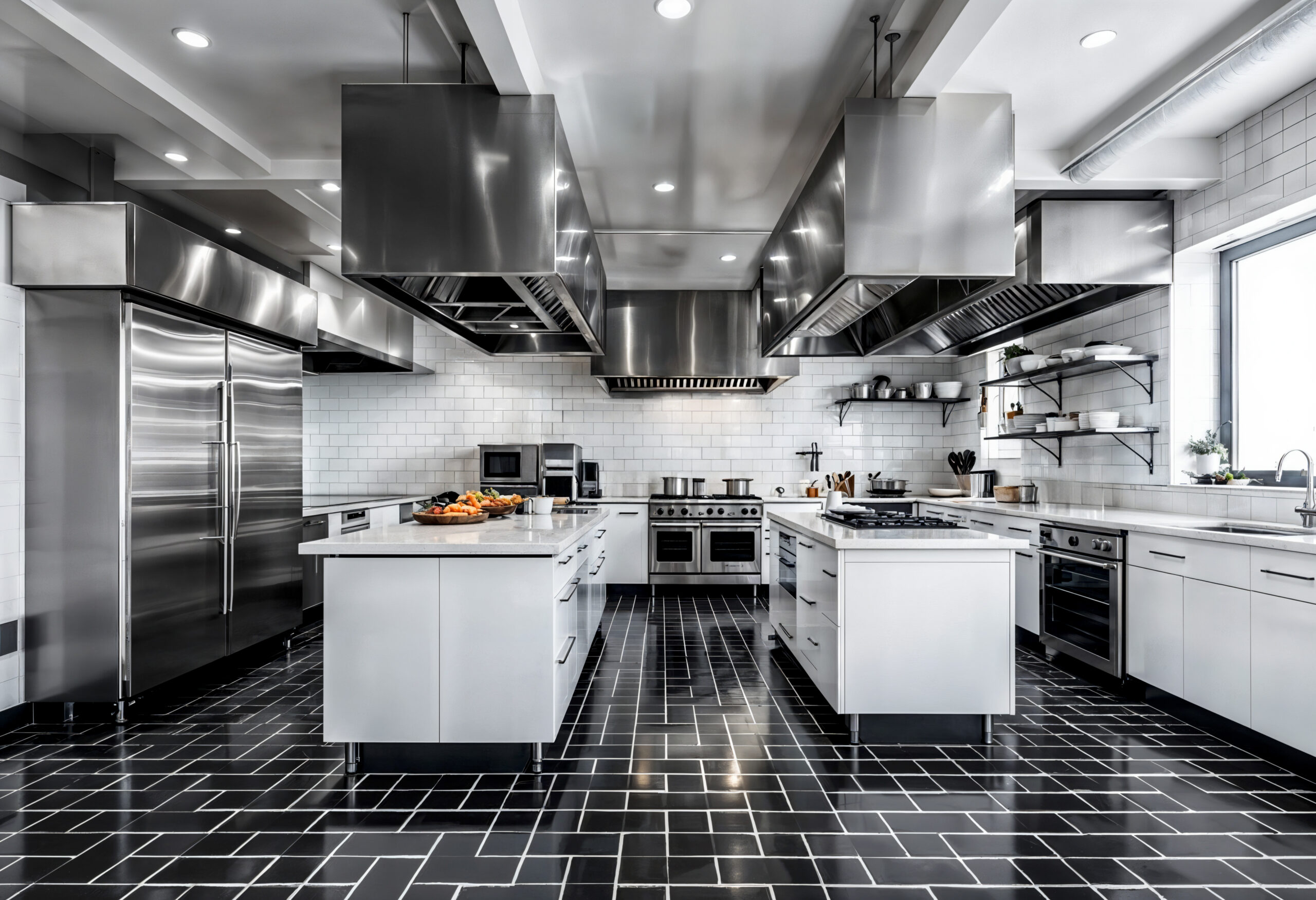
A commercial kitchen hood system is more than just the visible canopy above your cooking equipment. It’s a complex ventilation system designed to capture smoke, steam, heat, and grease-laden vapors before they spread throughout your kitchen or building. Understanding each component helps you appreciate why professional commercial hood maintenance is so crucial.
Hood Canopy- The hood canopy is the visible metal structure that hangs above your cooking appliances. Its design and positioning determine how effectively it captures airborne contaminants. Type I hoods handle grease-producing equipment like fryers and ranges, while Type II hoods ventilate heat and steam from dishwashers and ovens.
Filters- Grease filters are your first line of defense against fire hazards. These removable barriers capture grease particles from cooking vapors before they enter the ductwork. Baffle filters, common in commercial kitchens, use angled channels to separate grease through centrifugal force, causing droplets to condense and drain away.
Ductwork- Hidden within your walls and ceiling, ductwork channels contaminated air from the hood to the outside. This is where grease accumulation becomes most dangerous, invisible buildup inside ducts creates the perfect fuel for fast-spreading fires that can destroy entire buildings.
Exhaust Fan- Mounted on the roof or exterior wall, the exhaust fan creates negative pressure that pulls air through the entire system. The fan must be sized correctly for your cooking volume and hood design to maintain proper airflow and prevent grease-laden air from escaping into dining areas or adjacent spaces.

Why Regular Kitchen Exha ust Cleaning Is Essential
Professional kitchen exhaust system cleaning isn’t just about appearances—it’s about protecting lives and livelihoods.
Fire Prevention- According to the National Fire Protection Association (NFPA), nearly one-third of restaurant fires start in cooking equipment, and failure to clean is the leading factor contributing to these blazes. Grease buildup in hood systems ignites easily and burns extremely hot, spreading rapidly through ductwork. A single grease fire can cause hundreds of thousands of dollars in damage and force businesses to close permanently. Regular commercial kitchen hood cleaning removes this fuel source before disaster strikes.
Air Quality and Employee Safety- A properly functioning exhaust system removes harmful fumes, excessive heat, and combustion byproducts from the cooking area. When systems become clogged with grease, they can’t ventilate effectively, leading to poor indoor air quality that causes headaches, respiratory problems, and heat stress among kitchen staff. Clean systems also reduce slip hazards from grease dripping onto cooking surfaces and floors.
Compliance with NFPA 96 and Local Fire Codes- NFPA 96 establishes minimum cleaning frequencies based on cooking volume—quarterly for high-volume operations like 24-hour diners, semi-annually for moderate-volume restaurants, and annually for low-volume facilities. Fire marshals and health inspectors actively enforce these standards. Non-compliance can result in fines, failed inspections, increased insurance premiums, or even forced closure. Many insurance policies specifically require documented professional cleaning to maintain coverage.
Risks of Poorly Maintained or Dirty Exhaust Systems
Beyond fire risk, neglected exhaust systems create cascading problems. Grease accumulation restricts airflow, forcing exhaust fans to work harder and consume more energy while providing less ventilation. This accelerates equipment wear and leads to premature fan motor failure—repairs that cost thousands and often require kitchen shutdowns during busy service periods.
Dirty systems also compromise food safety. When exhaust capacity decreases, cooking equipment may not reach or maintain proper temperatures, potentially allowing harmful bacteria to survive. Additionally, condensed grease can drip onto food preparation surfaces, creating contamination risks and unpleasant odors that permeate dining areas and drive customers away.
Evolution of Commercial Kitchen Hood Technology
Commercial kitchen ventilation has come a long way from the simple metal canopies of decades past. Early hood systems were essentially passive collectors, basic sheet metal boxes that relied solely on natural heat rise to channel smoke upward. They offered minimal grease capture and required enormous exhaust volumes, wasting conditioned air and driving up utility costs.
The introduction of grease filters in the mid-20th century marked the first major advancement, followed by engineered hood designs that optimized capture efficiency based on cooking appliance types and placement. However, these traditional systems still operated at constant speeds regardless of actual cooking activity, exhausting (and wasting) heated or cooled air even during slow periods.
Energy-Efficient Hoods- Modern energy-efficient hood systems use demand-controlled ventilation (DCV) that adjusts exhaust rates based on actual cooking load. Temperature sensors or optical detectors monitor conditions beneath the hood and modulate fan speeds accordingly—running at full capacity during peak cooking but reducing to minimal levels during prep work or idle times. This approach can reduce exhaust volumes by 30-50%, delivering substantial energy savings on both fan operation and HVAC costs to replace exhausted conditioned air.
Smart Ventilation Systems- Today’s advanced hoods integrate with building management systems to coordinate ventilation with makeup air units, HVAC systems, and even fire suppression equipment. These intelligent systems maintain proper air balance throughout the facility while optimizing energy use and indoor comfort.
New & Emerging Technologies in Kitchen Hood Systems
The latest generation of commercial kitchen hoods incorporates technologies that seemed futuristic just a few years ago.
IoT-Based Monitoring- Internet-connected sensors now track grease accumulation, airflow rates, filter condition, and fan performance in real-time. These systems alert managers when restaurant exhaust cleaning services are needed—before problems become visible or dangerous. Some platforms provide compliance documentation automatically, creating audit trails that satisfy inspectors and insurance companies.
Automated and Self-Cleaning Hoods- Water-wash hood systems use high-pressure nozzles to automatically clean filters and hood interiors during overnight cycles, significantly extending the time between professional deep cleanings. While these systems don’t eliminate the need for professional commercial kitchen hood cleaning, they maintain higher baseline cleanliness and reduce labor costs for daily filter maintenance.
Advanced Grease Filtration and Airflow Optimization- New multi-stage filtration systems achieve grease capture rates exceeding 95%, compared to 70-85% for conventional baffle filters. Computational fluid dynamics now informs hood designs that create optimized air curtains, capturing contaminants more effectively with less total exhaust volume. Some systems even use electrostatic precipitation or UV light to further break down grease particles before they reach ductwork.
How Modern Hood Technology Improves Efficiency and Reduces Costs
The business case for modern hood technology extends far beyond compliance. Smart systems typically reduce exhaust-related energy costs by 30-60% through demand-based operation. A restaurant exhausting 4,000 CFM continuously at $0.10 per kWh might spend $15,000-$25,000 annually just replacing the conditioned air being exhausted, costs that variable-speed systems can cut in half.
Modern hoods also extend equipment lifespan by reducing runtime hours on exhaust fans and HVAC equipment. Better grease capture means less frequent professional cleaning, fewer duct fires, and reduced maintenance across the entire system. Additionally, improved ventilation creates more comfortable working conditions, which helps with employee retention in an industry facing chronic staffing challenges.
Perhaps most importantly, these systems provide peace of mind. Real-time monitoring catches problems before they become emergencies, automated documentation proves compliance, and superior grease capture reduces fire risk, protecting the investment you’ve built in your food service operation.
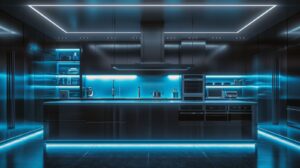
Best Practices for Maintaining Commercial Kitchen Hoods
Even with advanced technology, regular maintenance remains essential. Clean or replace filters according to manufacturer recommendations, typically weekly or more frequently for high-volume operations. Visible grease buildup on any surface means it’s time for professional cleaning, regardless of scheduled intervals.
Schedule professional commercial hood maintenance with certified technicians who follow NFPA 96 standards and use proper cleaning methods for ductwork access. Keep detailed records of all cleaning services, including dates, areas serviced, and grease thickness measurements. These documents prove invaluable during inspections and insurance claims.
Train kitchen staff to recognize warning signs: reduced airflow, excessive heat, grease dripping from filters, or unusual odors. Establish clear protocols for immediately reporting these issues before they escalate into safety hazards or equipment failures.
Finally, consider upgrading aging systems when replacement becomes necessary. While modern hoods cost more initially, energy savings and reduced operating costs typically deliver payback within 2-4 years—making them smart investments rather than mere expenses.
Conclusion- Why Partnering with Professional Hood Cleaning Experts Matters
Your commercial kitchen hood system represents a critical investment in safety, efficiency, and regulatory compliance. While technology continues advancing, one truth remains constant: even the most sophisticated systems require professional care to function properly and protect your business.
That’s where Hood Boss makes the difference. Our certified technicians understand every aspect of commercial kitchen exhaust systems, from traditional hoods to the latest smart technologies. We provide comprehensive kitchen exhaust system cleaning that meets or exceeds NFPA 96 requirements, complete with detailed documentation for your records.
Don’t wait for a fire marshal citation, insurance audit, or—worse—an actual fire to address your hood system maintenance. Contact Hood Boss today at thehoodboss.com to schedule a professional inspection and cleaning. We’ll assess your current system, recommend appropriate cleaning intervals based on your operation, and provide the expert service that keeps your kitchen safe, compliant, and running efficiently.
Protect your investment. Protect your people. Call Hood Boss, where clean hoods mean peace of mind.