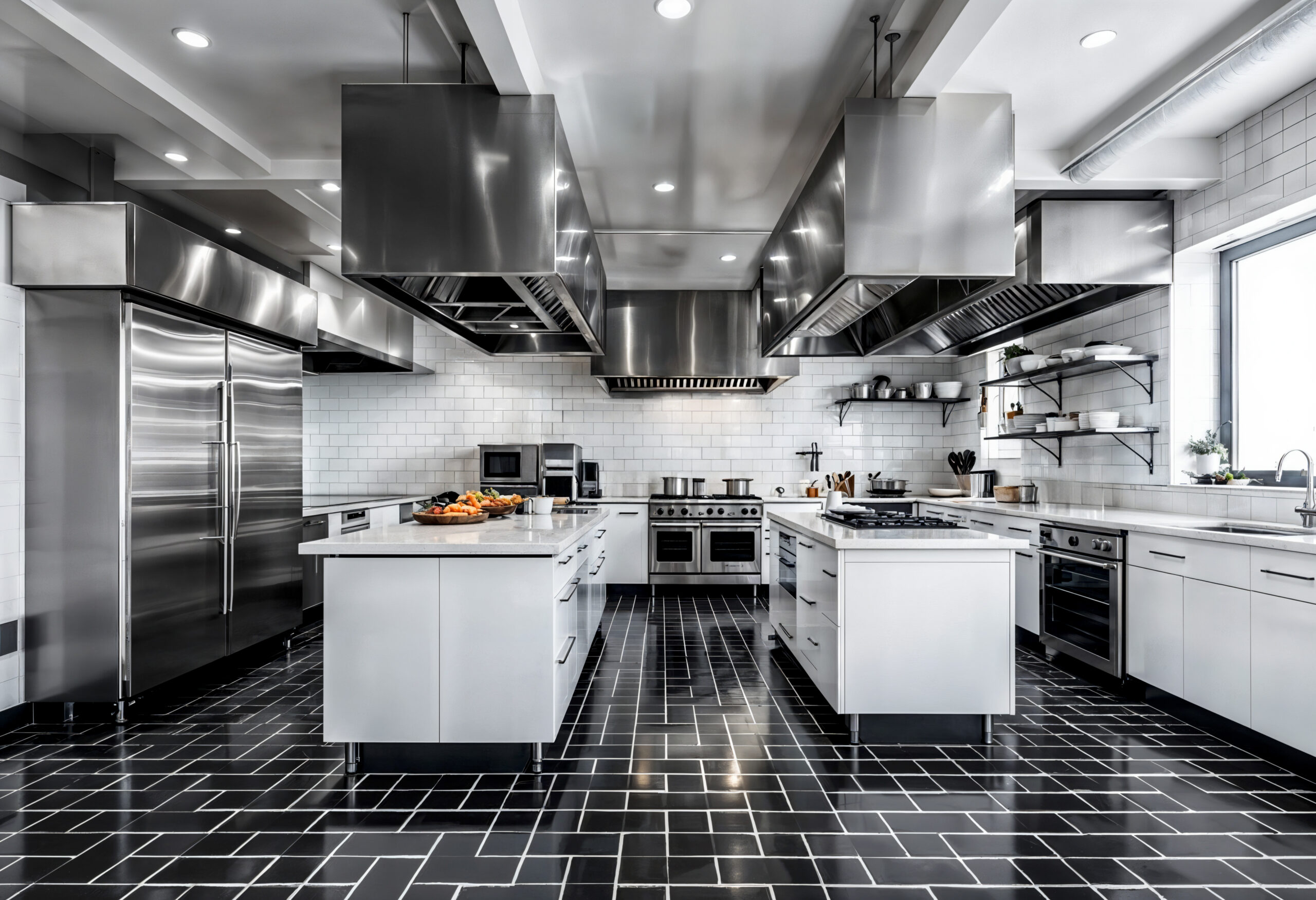
In commercial kitchens, your exhaust and vent hood system is your first line of defense against fire hazards, poor air quality, and costly health code violations. Yet many restaurant owners and kitchen managers underestimate how quickly grease accumulates in hoods, ducts, and exhaust fans; creating dangerous conditions that can lead to devastating fires, failed inspections, and unexpected shutdowns.
The question isn’t just whether you’re cleaning your exhaust system; it’s whether you’re cleaning it often enough. Understanding the right cleaning frequency for your specific operation is essential for fire prevention, regulatory compliance, and the safety of your staff and customers.
Why Cleaning Frequency Matters in Commercial Kitchens
Every time you cook, especially with high-heat methods like frying and grilling, vaporized grease travels through your exhaust system. As it cools, that grease condenses and adheres to hood surfaces, ductwork, and exhaust fans. Over time, these deposits create a highly flammable fuel source that can ignite from a single spark or flare-up.
Poor cleaning schedules lead to serious consequences:
1. Increased Fire Risk – The National Fire Protection Association (NFPA) reports that nearly one-third of restaurant fires originate in cooking equipment, with grease buildup being a leading contributor. Even a thin layer of grease can be enough to fuel a rapidly spreading fire.
2. Reduced Kitchen Efficiency – Grease-clogged systems restrict airflow, forcing exhaust fans to work harder while ventilating less effectively. This creates uncomfortable working conditions, increases energy costs, and accelerates equipment wear.
3. Health Code Violations – Fire marshals and health inspectors enforce strict standards for commercial kitchen exhaust cleaning. Visible grease buildup or documentation gaps can result in citations, fines, or temporary closure until violations are corrected.
Following NFPA 96 guidelines, the recognized standard for commercial kitchen ventilation systems, ensures your cleaning frequency aligns with fire safety requirements and keeps your operation compliant.

How Often Should Commercial Kitchen Exhaust & Vent Hoods Be Cleaned?
The right cleaning schedule depends on your kitchen’s volume, cooking methods, and grease output. NFPA 96 provides general guidelines based on operational intensity:
High-Volume Kitchens (24/7 Operations, Heavy Frying/Grilling)
Recommended Frequency – Every 1–3 months
Restaurants operating around the clock or specializing in fried foods, charbroiled meats, or wok cooking generate substantial grease quickly. Fast-food chains, high-volume diners, and barbecue restaurants typically fall into this category. Quarterly cleaning is often the minimum; monthly service may be necessary for extremely high-output operations.
Moderate-Volume Restaurants
Recommended Frequency – Every 3–6 months
Most full-service restaurants with standard cooking operations fit this category. If your kitchen operates daily with a mix of cooking methods; sautéing, baking, grilling, and occasional frying, quarterly to semi-annual professional cleaning typically maintains compliance and safety.
Low-Volume or Seasonal Kitchens
Recommended Frequency – Every 6–12 months
Churches, seasonal concession stands, senior centers, and facilities with minimal grease-producing cooking can often extend cleaning intervals. However, even low-volume operations must document regular inspections and clean when grease accumulation warrants it.
Important Note- These are general guidelines. Your actual frequency depends on menu composition, equipment type, and local fire code requirements. A professional exhaust cleaning company can assess your specific needs during initial service.
Signs Your Exhaust System Needs Immediate Cleaning
Don’t wait for your scheduled service if you notice these warning signs:
1. Visible grease dripping from hood filters, ductwork seams, or exhaust fan housings
2. Strong, persistent odors that linger even when equipment is off
3. Excess smoke or steam that doesn’t clear quickly during cooking
4. Reduced suction power or poor ventilation performance
5. Grease residue on kitchen walls, ceilings, or equipment near the hood
If you’re seeing these indicators, your system is overdue for cleaning, and you may be operating in violation of fire safety codes.
Cleaning vs. Professional Exhaust Hood Cleaning
Daily maintenance matters, but it’s not enough. Wiping down visible hood surfaces and cleaning filters are important in-house tasks that should happen weekly or even nightly. However, these surface-level efforts don’t address the grease accumulating inside ductwork and exhaust plenums, the areas most critical for fire prevention.
Professional commercial kitchen exhaust cleaning involves-
1. Complete hood interior and exterior degreasing
2. Ductwork cleaning from hood to rooftop exhaust point
3. Exhaust fan cleaning and inspection
4. Grease containment and proper disposal
5. Documentation with compliance stickers and certificates
Certified professionals use specialized equipment, high-temperature pressure washing, and approved degreasers to remove hidden grease deposits that in-house cleaning cannot reach. This level of service is required for NFPA 96 compliance and is often mandated by insurance policies and local fire codes.
How a Proper Cleaning Schedule Protects Your Restaurant
Establishing and maintaining a consistent exhaust cleaning schedule delivers measurable benefits:
1. Fire Prevention – Regular removal of grease buildup eliminates the primary fuel source for kitchen fires, protecting your property, staff, and business continuity.
2. Health Inspection Readiness – Current cleaning documentation and visibly maintained systems help you pass inspections confidently and avoid costly violations.
3. Equipment Longevity – Clean exhaust systems operate more efficiently, reducing strain on fans and motors while lowering energy costs and extending equipment lifespan.
4. Safer Work Environment – Improved ventilation removes smoke, heat, and cooking fumes more effectively, creating healthier conditions for kitchen staff.
Proactive maintenance is always more cost-effective than reactive repairs, emergency cleanings, or recovering from a fire.
Protect Your Operation with the Right Cleaning Schedule
Regular, professionally scheduled exhaust and vent hood cleaning isn’t optional for commercial kitchens; it’s a fundamental responsibility that protects lives, property, and your business reputation. The right frequency depends on your unique operation, but the consequences of neglect are universal.
Take time to review your current cleaning schedule and documentation. Are you meeting NFPA 96 guidelines for your kitchen type? Do you have proof of service readily available for inspectors? Working with experienced commercial kitchen cleaning professionals like Hood Boss ensures you maintain compliance, reduce fire risk, and operate with confidence. Your exhaust system works hard to protect your kitchen; make sure you’re protecting it in return.