In commercial kitchens, your exhaust and vent hood system is your first line of defense against fire hazards, poor air quality, and costly health code violations. Yet many restaurant owners and kitchen managers underestimate how quickly grease accumulates in hoods, ducts, and exhaust fans; creating dangerous conditions that can lead […]
Top Causes of Restaurant Kitchen Fires
(And How to Prevent Them)
Restaurant kitchens are responsible for thousands of fires every year, sometimes even leading to casualties along with tremendous financial losses through property damage and business interruptions. The National Fire Protection Association (NFPA) has reported that cooking devices are the main reason for more than 60% of the fires in restaurants. In the case of Texas restaurant owners and commercial kitchen managers, understanding these blazing incidents’ main causes and implementing proper fire-prevention strategies is not a matter of compliance only; rather it will shield the investment made in business, the employees, and customers.
However, there is a silver lining as the right maintenance practices, employee training, and the use of professional commercial kitchen exhaust cleaning services can make most of the restaurant kitchen fires go out right from the start. The guide will discuss the leading causes behind kitchen fires, and then train you on how to ensure your establishment is not only safe and compliant but also thriving.
What are the main reasons for kitchen fires in restaurants?
Grease Buildup in Kitchen Exhaust Systems
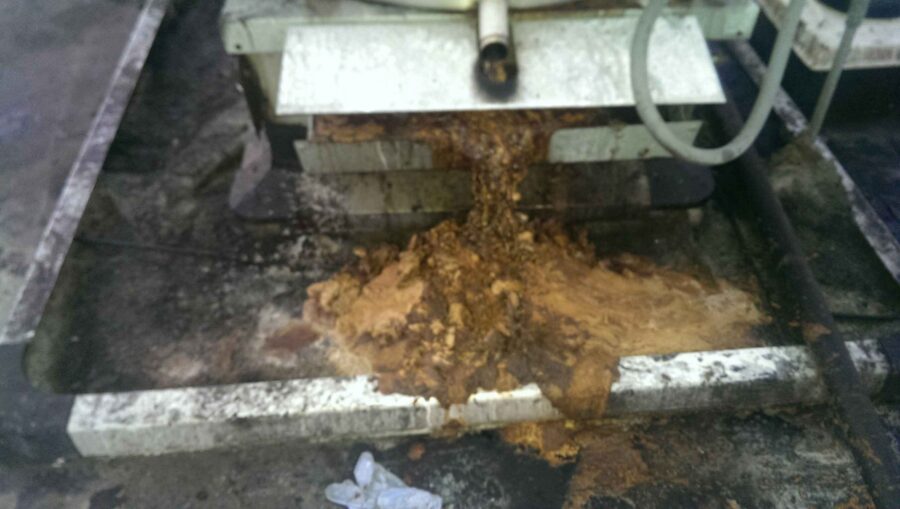
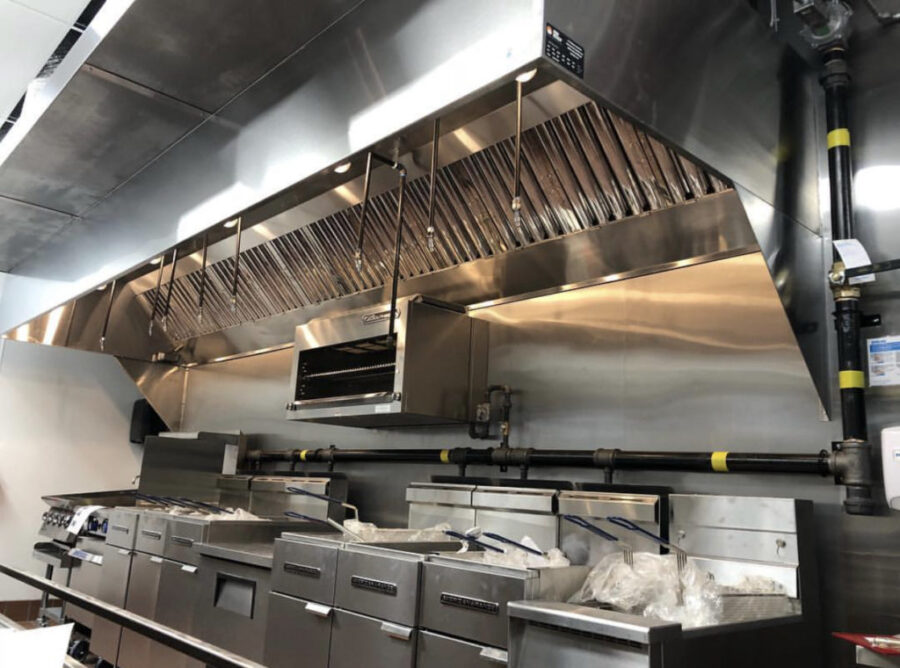
The most common reason for fires in restaurants is grease that has built up in the exhaust area or ductwork or in the ventilation system. Oil and fats from cooking do not just vaporize; they go through your exhaust system and slowly settle down on the inside surfaces. Eventually, the grease buildup is hazardous and needs to be dealt with as a fire hazard.
Flame or heat that is very high can sometimes get in contact with such grease deposits, and the grease can catch fire instantly and the fire can spread fast through the entire ductwork system. Such fires are more hazardous because they take place in places that are hard to reach and as such, it becomes difficult to put them out quickly.
Prevention Strategy- Create a regular hood cleaning service schedule that is proportional to the volume and cooking style of your kitchen. The NFPA Standard 96 describes the cleaning frequency very explicitly:
- High-volume cooking operations (24-hour facilities, charbroiling): Quarterly cleaning
- Moderate-volume operations (traditional restaurants): Semi-annual cleaning
- Low-volume operations (churches, seasonal businesses): Annual cleaning
Professional commercial kitchen exhaust cleaning not only removes grease but also dirt accumulation from all parts of your ventilation system such as the hood, filters, plenum, ductwork, and exhaust fan. The fire hazards are completely eradicated in this way.
Dirty or Clogged Hood Filters
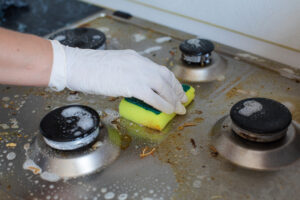
The first line of defense against grease entering your exhaust system is Grease filters. The filters when saturated with oil and debris lose their effectiveness and may even increase the fire risk. Airflow is restricted because of clogged filters, which makes grease drip onto cooking surfaces and the grease can get ignited when exposed to open flames or high temperatures.
Prevention Strategy- Install a daily cleaning routine for filters. At the very least, the filters should be taken out and cleaned in a commercial dishwasher or degreasing solution every night. For kitchens with high-volume, consider cleaning the filters twice a day during the peak hours. Install a new filter immediately after the damaged or warped filter is removed, as it will not protect you adequately even though it is clean.
Maintaining the filters reduces the overall grease build-up in your system between the professional hood vet cleaning appointments.
Unattended Cooking Equipment
It is one of the main causes of kitchen fires to leave cooking equipment unattended even for a short time. Deep fryers, ranges, grills, and other high-temperature equipment quickly go from a minor flare-up to a major fire when there is no one around to respond right away.
Prevention Strategy- Put in place strict kitchen protocols that staff must remain present during the use of the equipment. During the busy times, appoint specific cooking stations and communicate clearly when the staff have to leave. Use commercial-grade timers and install automatic shut-off systems where suitable.
Regular checks of the equipment maintenance also lessen the chances of malfunctioning that could result in overheating or grease overflow situations that are hard to control.
Improper Use or Maintenance of Cooking Equipment
The risk of fire is heightened by malfunctioning equipment, wrong temperature settings, and the use of improper techniques. Among the conditions that are hazardous are the use of deep fryers with overly heated oil, the lack of control over the temperature of the equipment, and the use of the equipment beyond the capacity it was designed for.
Prevention Strategy- Have all cooking equipment serviced regularly following the manufacturer’s recommendations. Kitchen personnel should be trained in proper operating procedures, such as keeping oil temperatures (never exceeding smoke point) and ensuring the right pan placement and load limits for each piece of equipment.
All maintenance work should be recorded, and any issues with the equipment should be dealt with immediately instead of waiting for the repairs to be done.
Inadequate Fire Suppression Systems
Your fire suppression system serves as the ultimate protector in case the fire prevention methods fail. On the contrary, outdated systems besides being improperly maintained or even worse those with wrong installation may either not operate at all during the required time or the fire may not be completely extinguished.
Prevention Strategy- Engage certified fire suppression experts to inspect, test, and maintain your entire system every half a year as per NFPA 96 guidelines. Check if your system is appropriately designed for the quantity and types of cooking equipment in use and if the nozzles are placed right to cover the whole area adequately.
In case of any change in the kitchen layout or equipment, the suppression system has to be re-evaluated to check it still gives the needed protection. This is usually part of the commercial hood cleaning service as many providers can manage both services together.
Lack of Employee Training
All the high-quality devices and the most reliable maintenance schedules would go to waste if your personnel were untrained in appropriate response actions. Unprofessional workers could get scared, choose wrong fire extinguishers, or take steps that contribute to small incidents turning into major catastrophes.
Prevention Strategy- Provide comprehensive fire safety training to all kitchen staff during their hiring period and run refresher trainings quarterly. It is essential to instruct the employees about fire prevention practices, proper use of fire extinguishers, and evacuation routes along with making the decision to activate the suppression system or calling emergency services based on the situation.
Assign roles of fire safety leaders to certain staff members who will get advanced training and can help the others during emergencies.
What Are the Consequences of Ignoring Kitchen Fire Prevention?
The fire prevention problem has consequences that are no longer limited to the worst-case scenario of fire:
- Safety Risks: A fire hazard in the kitchen can easily lead to the evacuation of the entire hotel or restaurant thus exposing employees and guests to smoke and other risks. The whole lot of people on your premises has to be on your radar as a business owner’s responsibility.
- Financial Impact: A restaurant fire usually leads to an average of $23,000 direct damages, but the total cost is usually much higher due to business interruption, lost revenue, increased insurance premiums, and possible legal liabilities. Some restaurants go bankrupt as a result of major fires and simply do not reopen after that.
- Regulatory Consequences: The non-clarity of your exhaust system and fire suppression equipment can lead to health department violations, fire marshal citations, insurance policy cancellations, and even mandatory business closures. Breaching NFPA 96 standards significantly increases your liability in court.
- Reputation Damage: The restaurant fire is one of the biggest incidents that can happen to a business since it will go almost immediately on every social media platform and local news. Even if there is no injury involved, the incident can still lead to the loss of your establishment’s reputation and customer trust for good.
FAQ: Prevention of Fire in Kitchens of Restaurants
- How often should cleaning by professional services be done at restaurant exhaust systems?
The professional cleaning services of commercial kitchen exhaust should be based on the cooking volume of your restaurant. The operations of high volume with continuous cooking or charbroiling require cleaning every three months. Usually, standard restaurants need the cleaning of the hood of the restaurant once every six months, while the kitchens of lower-volume may require only one service per year. Always refer to the NFPA 96 guidelines and local fire code regulations that are specific to your area of jurisdiction.
- What are the parts that come along with delivery of a complete hood cleaning service?
The service of kitchen hood cleaning is comprehensive and includes the entire exhaust system cleaning: the interior and exterior of the hood, grease filters (though daily filter maintenance is still your responsibility), the plenum area, all ductwork that is accessible, and the assembly of the exhaust fan. IKECA (International Kitchen Exhaust Cleaning Association) Certified and companies extensive experience in the field provide the photos taken before and after along with the documentation of certification that proves NFPA compliance.
- To save money, can I clean my restaurant hood by myself?
Although cleaning of the filters is a routine task that your staff should do daily, the proper hood and vent cleaning is a professional job. Professionals have special equipment to access and clean the interior of the ducts, they use appropriate degreasers that do not harm the equipment, and they dispose of the grease waste in an environmentally friendly way according to the regulations. Cleaning done by a house owner usually does not succeed in removing the buildup from the critical hidden areas where fires often start.

Professional Services for Hood Cleaning as a Protection for Your Restaurant
The fires that occur in restaurant kitchens are tragedies that can be easily prevented, so they ruin businesses and put lives at risk. By identifying the main causes and applying an all-around strategy that incorporates prevention, you will be protecting your investment, your employees, and your customers.
Regular cleaning of commercial kitchen exhaust by professionals is the basis of any good fire prevention program. Don’t wait until you are forced to take action due to a fire marshal citation or, even worse, a fire that could have been prevented.
Would you like to be sure of your kitchen’s safety and compliance? Our certified team welcomes you to book a professional hood inspection today. Throughout Texas, we deliver extensive kitchen exhaust cleaning services along with detailed documentation for regulatory compliance. Request a convenient quote or give us a call to go over your restaurant’s particular requirements.
The experts in commercial kitchen hood cleaning for restaurants with various sizes and cooking volumes are on the same team as you. The work is done according to your timetable so that there are no disturbances and your operation stays safe, compliant, and efficient. Get in touch with us today to prevent your business from being affected by kitchen fires that could have been avoided.

Every year, thousands of commercial kitchen fires start in places owners never see- inside exhaust hoods and ductwork clogged with grease. These fires don’t just damage property, they destroy businesses, endanger lives, and result in devastating financial losses that insurance may refuse to cover. The reason? Non-compliance with NFPA 96. […]

The Complete Guide to Commercial Kitchen Hood Systems When it comes to running a safe and efficient commercial kitchen, few systems are as critical as your kitchen exhaust hood. Yet many restaurant owners and facility managers underestimate the importance of proper hood maintenance until a crisis strikes, whether that’s a […]

(And How to Prevent Them) Restaurant kitchens are responsible for thousands of fires every year, sometimes even leading to casualties along with tremendous financial losses through property damage and business interruptions. The National Fire Protection Association (NFPA) has reported that cooking devices are the main reason for more than 60% […]
For most of us, the rooftops of our restaurants are not a normal part of our preopening or closing walk through. In fact, a trip to the roof often means something is wrong: i.e. a leak in the roof, an A/C unit not working, or the exhaust fan making a […]
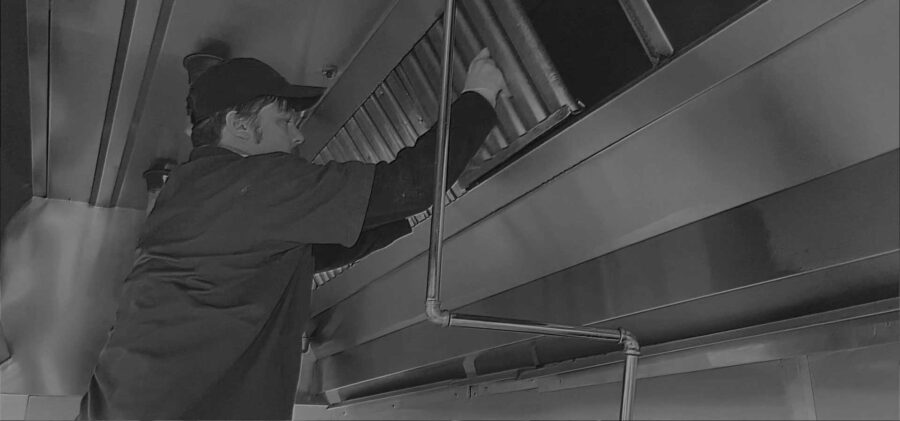
Baffle filters, also known as hood filters, are an essential component of kitchen exhaust systems, particularly in commercial kitchens. They play a crucial role in trapping grease and preventing it from accumulating in the ductwork, which can pose serious fire hazards. Here’s a breakdown of their function and maintenance according […]
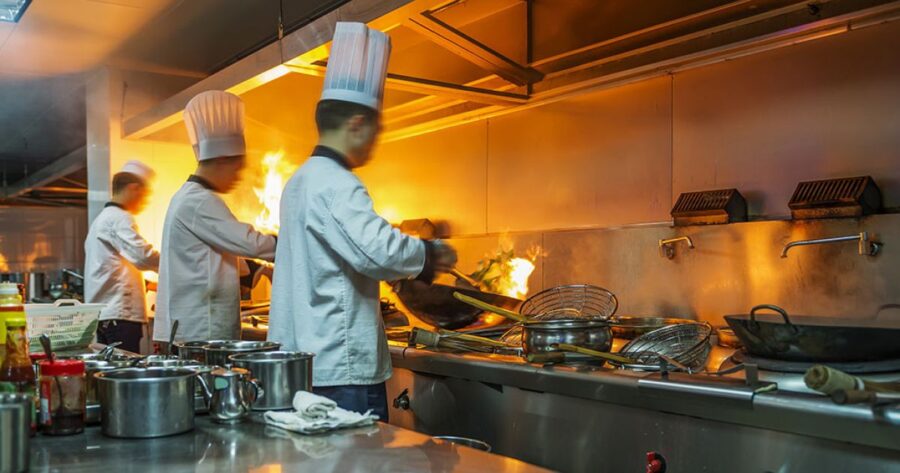
Of the fires studied by the NFPA, more than 59 percent started in the kitchen, a fact that underscores how important understanding and implementing these best practices for fire safety really are.
We will describe several fire safety best practices in three primary areas – preventative maintenance, good housekeeping, and employee training – These practices together can help significantly reduce the risk of fire in your kitchen.
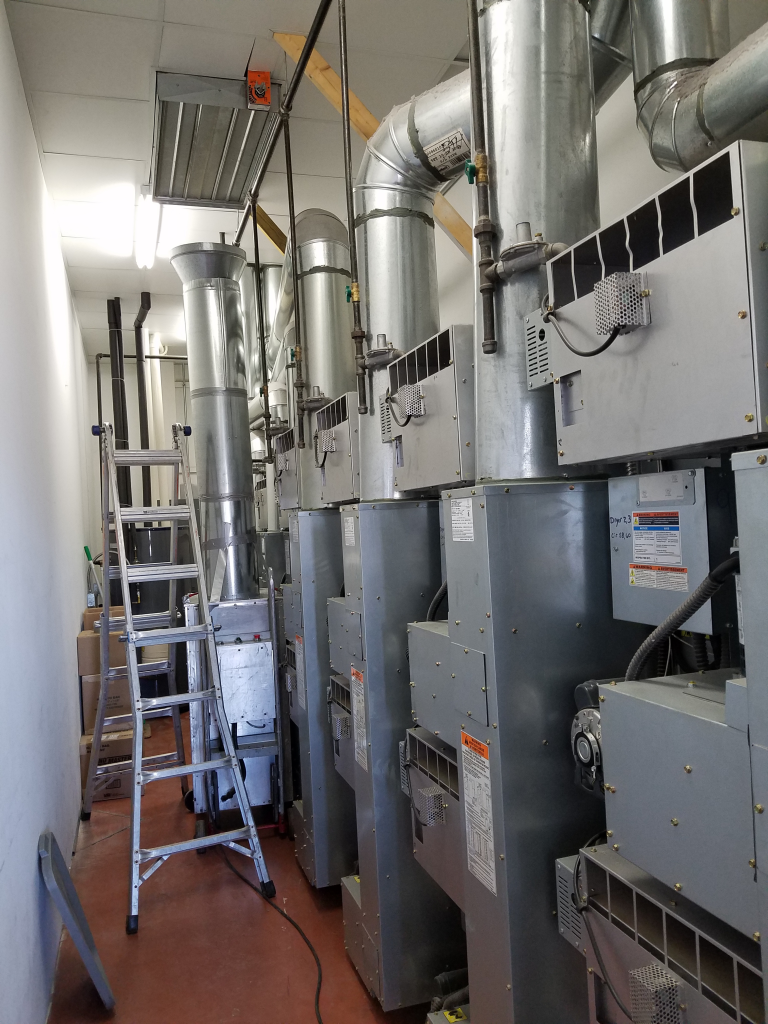
It is important for facilities that use commercial dryers daily to develop a maintenance schedule that includes dryer lint removal to avoid the risk of dryer combustion. Commercial dryer vent fires are responsible for a substantial number of damages, injuries, and deaths annually. The National Fire Protection Association (NFPA) states […]
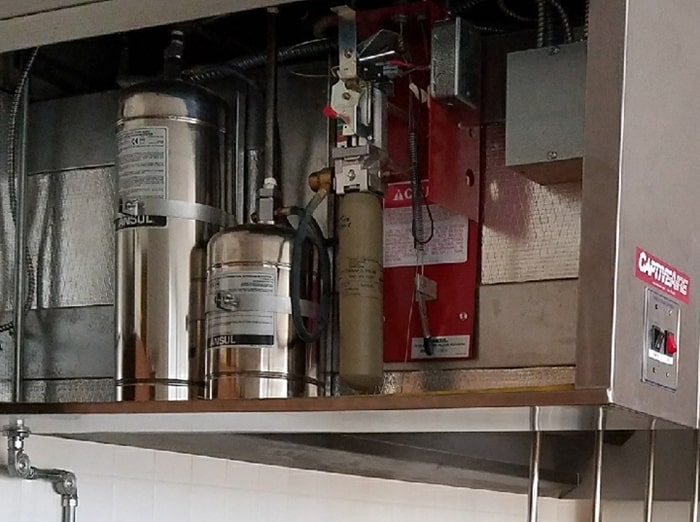
The Ansul R – 102 restaurant fire suppression system is a pre-engineered, wet chemical, cartridge-operated, regulated pressure type with a fixed nozzle agent distribution network. The system is capable of automatic detection and actuation as well as remote manual actuation. Additional equipment is available for building fire alarm panel connections, […]