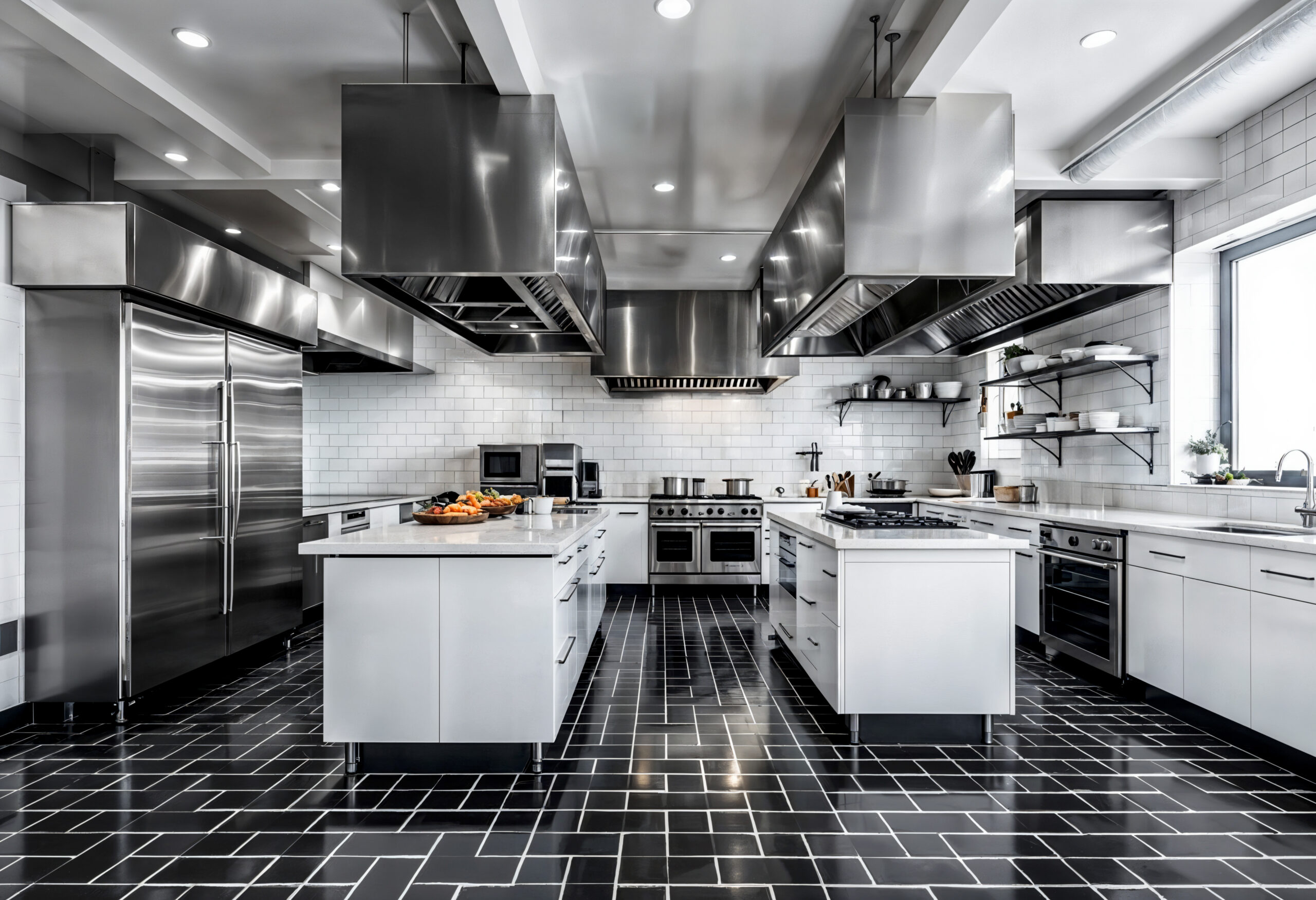
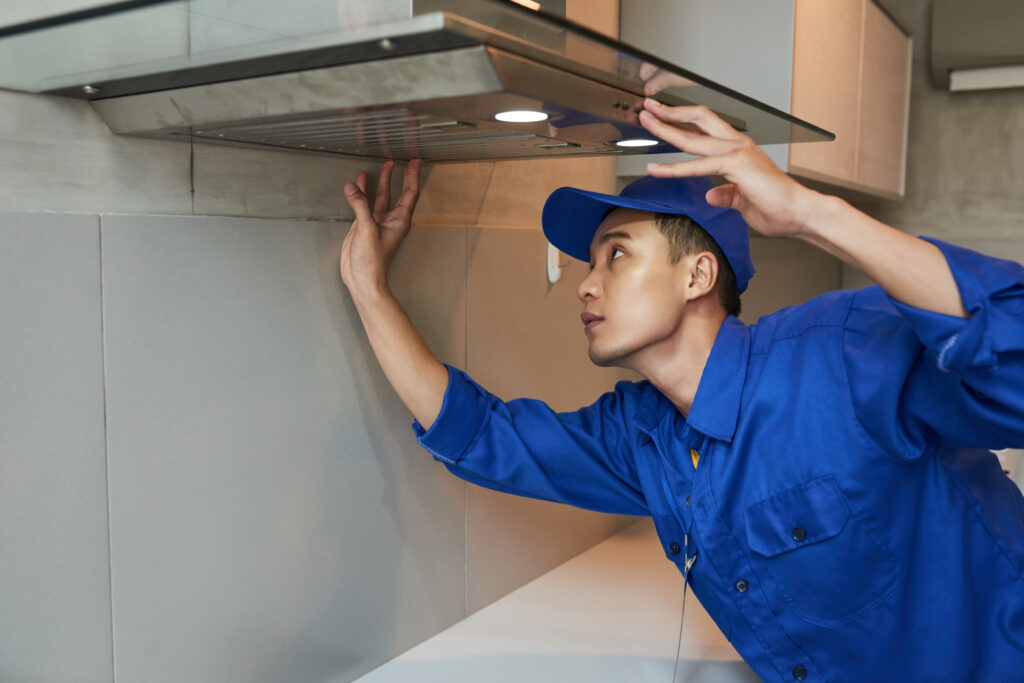
Every year, thousands of commercial kitchen fires start in places owners never see- inside exhaust hoods and ductwork clogged with grease. These fires don’t just damage property, they destroy businesses, endanger lives, and result in devastating financial losses that insurance may refuse to cover.
The reason? Non-compliance with NFPA 96.
If you own or manage a restaurant, hotel kitchen, or any commercial cooking facility, NFPA 96 isn’t just another regulation. It’s the national fire safety standard designed to prevent grease fires in commercial kitchen ventilation systems. Understanding NFP 96 compliance is essential for protecting your business, employees, and customers.
What Is NFPA 96?
NFPA 96, officially titled “Standard for Ventilation Control and Fire Protection of Commercial Cooking Operations,” is a comprehensive fire safety code published by the National Fire Protection Association. It establishes minimum requirements for the design, installation, operation, inspection, and maintenance of commercial kitchen ventilation systems.
Local fire marshals, health departments, insurance companies, and building code officials all enforce NFPA 96 requirements. The standard applies to virtually all commercial cooking operations, including restaurants, hotel and hospital kitchens, school cafeterias, food courts, and mobile food preparation vehicles.
Why NFPA 96 Is Critical for Fire Safety
According to the National Fire Protection Association, fire departments respond to an average of 7,410 structure fires in commercial cooking facilities annually, causing an estimated $246 million in direct property damage. The primary cause? Failure to clean commercial kitchen exhaust systems.
When you cook with high heat, grease particles become airborne and accumulate inside your exhaust hood and ductwork. These deposits have an ignition temperature of approximately 600°F, well within the range of flames that can travel through your exhaust system. Once ignited, grease fires spread rapidly through ductwork, often reaching areas standard fire suppression systems can’t protect.
Non-compliance carries serious consequences- hefty fines from fire marshals, failed health inspections, rejected insurance claims after a fire, and potential catastrophic fires that could have been prevented.
Key NFPA 96 Hood Cleaning Requirements
NFPA 96 requires that the entire exhaust system be inspected and cleaned by properly trained, qualified, and certified professionals. This means professional hood cleaning isn’t just recommended, it’s mandated.
Cleaning must remove grease deposits from hood interiors, the entire length of ductwork, exhaust fans including blades and housing, grease filters and collection devices, and all accessible surfaces throughout the system.
The standard also requires adequate access panels throughout the duct system, regular inspections to determine when cleaning is necessary, and documentation of all services with service tags showing dates and the company that performed the work.
Hood Cleaning Frequency as per NFPA 96
One of the most common questions commercial kitchen owners ask is- “How often do I need to have my hood system cleaned?” NFPA 96 provides clear guidance based on cooking volume and type.
NFPA 96 Cleaning Frequency Guidelines
|
Kitchen Type |
Cooking Volume |
Required Cleaning Frequency |
| Systems serving solid fuel cooking operations | Charcoal, wood-burning equipment | Monthly |
| Systems serving high-volume cooking operations | 24-hour cooking, fast food, wok cooking | Quarterly (every 3 months) |
| Systems serving moderate-volume cooking operations | Full-service restaurants, hotel kitchens | Semi-annually (every 6 months) |
| Systems serving low-volume cooking operations | Churches, senior centers, day camps, seasonal businesses | Annually (once per year) |
These are minimum frequencies. Kitchens with heavy grease production or primarily frying operations may require more frequent cleaning.
What Happens If You Don’t Comply?
Non-compliance creates multiple risks. Fire marshals can issue fines ranging from $200 to $2,000 per violation and order immediate closures until violations are corrected. Insurance companies may deny fire damage claims if they discover you weren’t maintaining your system according to NFPA 96 requirements, leaving you personally liable for damages.
Most seriously, grease buildup creates extreme fire hazards that can result in devastating fires, injuries, and permanent business closure.

Why Professional Hood Cleaning Is Essential
NFPA 96 specifically requires cleaning by certified professionals, your kitchen staff cannot perform compliant cleaning. Professional commercial hood cleaning services provide comprehensive system cleaning using specialized equipment, proper documentation with service tags and inspection reports, expert identification of fire hazards and system issues, and scheduled maintenance that ensures consistent compliance.
DIY approaches fail because staff lack proper training and equipment, cannot safely access entire duct systems, and don’t provide the documentation NFPA 96 requires.
Why Choose The Hood Boss for NFPA 96 Compliance
The Hood Boss employs certified technicians who understand NFPA 96 requirements inside and out. Our comprehensive service includes complete inspection from hood to roof cap, thorough removal of all grease deposits throughout the system, detailed documentation with service tags and compliance certificates, flexible scheduling including overnight and weekend service, and proactive reminders so you never miss required cleaning.
We don’t just clean surfaces, we ensure genuine fire code compliance that protects your business and satisfies fire marshals, health inspectors, and insurance auditors.
Protect Your Business Today
NFPA 96 compliance isn’t about satisfying inspectors, it’s about protecting everything you’ve built. A preventable grease fire can destroy your business in minutes, but staying compliant is straightforward when you partner with professionals who deliver thorough, documented service.
Don’t wait for a citation, failed inspection, or actual fire to address your commercial kitchen hood cleaning needs. Contact The Hood Boss now for a free consultation and inspection. We’ll assess your system, recommend an NFPA 96–compliant cleaning schedule tailored to your operation, and provide a detailed quote with no obligation.
Call The Hood Boss today or visit https://thehoodboss.com/ to schedule your service. When it comes to fire safety and restaurant fire safety standards, compliance isn’t optional, it’s essential.

FAQ
What is NFPA 96? NFPA 96 is the national standard for commercial kitchen ventilation control and fire protection, establishing requirements for hood cleaning, inspection, and maintenance.
How often should my hood system be cleaned? Frequency depends on cooking volume- monthly for solid fuel, quarterly for high-volume, semi-annually for moderate-volume, and annually for low-volume operations.
Is NFPA 96 mandatory? Yes. While it’s a standard, NFPA 96 is adopted and enforced by local fire codes throughout the United States.
Can my staff perform compliant cleaning? No. NFPA 96 requires cleaning by certified professionals. Staff can maintain visible surfaces, but this doesn’t satisfy the professional cleaning requirement.
Does compliance affect insurance? Absolutely. Insurance companies may deny fire claims if you weren’t maintaining your kitchen exhaust system cleaning according to NFPA 96 requirements.